

2026 Board Members
Junta Directiva 2026
After the challenges of the past couple of pandemic years, we are so excited to get together with the community.

President
Roxana Escobar
Roxana Escobar Ñañez is an Afro-Peruvian Ph.D. Human Geography living in T’karonto (Treaty 13). With her project, Roxana seeks to contribute to the geographic knowledge production about Black womanhood in Latin America. As an activist, Roxana has worked with decolonial feminist Peruvian and Canadian organizations in projects regarding sexual and reproductive rights, education, and migration rights. Currently, Roxana is the host of Tertulia Day, a podcast focused on highlighting the lives and the art of Afro-Peruvian women singers of criollo music.
Co-Director of Communications
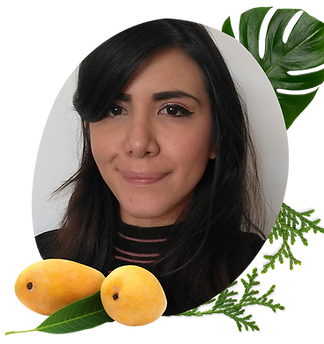
Jess De Vitt
Jess De Vitt (she/they) is a community arts mentor and visual artist based in T’karonto (Treaty 13). Jess is an Aquarius sun, double Virgo queer mexican-italian always looking for new ways of creating, learning and collaborating. Jess has experience working with community through the arts offering instructional workshops for a range of mediums and art making techniques both
digitally and in person. The techniques Jess teaches range from watercolour, acrylic, oil, image transfer, charcoal, resin, jewellery, bookbinding, soft and oil pastels, knitting and more. Jess is interested in challenging notions of scarcity within arts and community, searching for
ways of connecting with each other with intention and care.